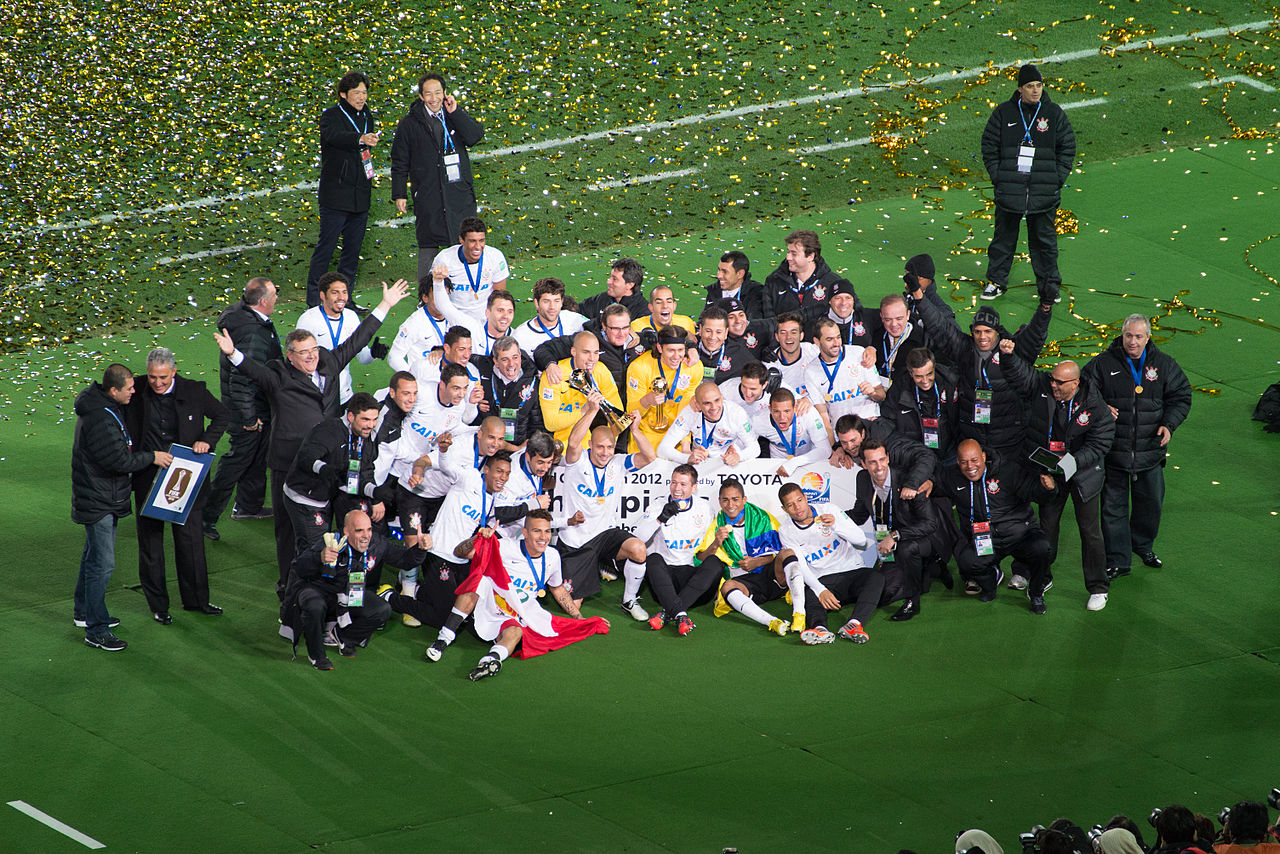
2026 FIFA Club World Cup: Tech, Broadcast & Fan Innovations
Discover the AI officiating, 4K HDR streaming, and AR fan apps expected for the 2026 FIFA Club World Cup in the US.
Caitlin Clark's sixth technical foul of 2026, a $1,000 fine, and a face contact no-call ignite debate on WNBA officiating, physicality, and player treatment.
The Indiana Fever's 108-88 win over the New York Liberty on July 18, 2026, should have been a straightforward celebration. Instead, it became the latest flashpoint in a season-long conversation about how Caitlin Clark is officiated. Just 90 seconds into the game, Clark was assessed her sixth caitlin clark technical foul of the season after running into a hard screen set by Jonquel Jones that was not called illegal. The call carries a $1,000 fine and puts Clark two technicals away from an automatic one-game suspension under WNBA rules.
Fever head coach Stephanie White said she did not ask for an explanation from officials for either the technical or the no-call on the screen. “There have to be conversations… making sure that we're strategic in using our technical fouls,” White said. The restraint from the bench suggests a team trying to manage a player who is increasingly frustrated by the physical treatment she receives and the officiating that allows it.
Later in the same game, during a defensive contest near the basket, New York’s Breanna Stewart extended her arm while challenging a shot. Replays showed Stewart’s hand making clear contact with the side of Clark’s face. No foul was called, and the play was not reviewed for a flagrant. The contrast between the quick whistle on Clark’s emotional reaction and the silence on the face contact has fueled debate about consistency.
This is not an isolated incident. On July 15, 2026, Clark criticized officiating after a no-call left her limping with a quad contusion during an 88-75 loss to the Golden State Valkyries. “That hurts,” she told reporters, saying she was kneed in the quad on the play. “The ref can't miss that. And then I have to play with a contusion in my leg the rest of the game. It's ridiculous.”
The pattern of physical play against Clark has been building all season. A few weeks prior, Alyssa Thomas was suspended for putting her fist in Clark’s throat. The incident drew national attention and prompted Clark to call for improvements in WNBA officiating and player treatment. She has publicly stated the league needs to improve in numerous categories, including officiating and stopping hate.
Retired point guard Layshia Clarendon offered a different perspective on the physicality. “There's a celebration to being like, 'I'm bigger than you,'” Clarendon said on her No Offseason podcast. “And I don't want that to be shied away from because we're women and it's a women's league. Being big and physical is part of the game.” Clarendon’s comments reflect a tension within the league: physical play is celebrated as a sign of toughness, but when it targets the league’s most marketable star without consistent officiating, it raises questions about player safety and competitive fairness.
The debate over Clark’s treatment is not just about one player. It touches on how the WNBA balances physicality with player protection, how officials manage star players who draw contact, and whether the league’s disciplinary structure—where a $1,000 fine and a suspension threshold of eight technicals—is adequate for a sport where physical play is increasingly intense.
Clark’s technical foul count is now a storyline that will follow her for the rest of the season. With two more technicals triggering a suspension, every close call will be scrutinized. The Fever sit in first place in the Eastern Conference, and losing Clark for even one game could shift the playoff picture.
The broader conversation, however, is about whether the WNBA’s officiating infrastructure can keep pace with the league’s growth. Clark has called for full-time referees, and the incidents of the past few weeks—the Thomas suspension, the quad contusion no-call, the technical on a screen, and the face contact without a whistle—suggest a system that is inconsistent at best. As the league expands its audience and its physicality, the margin for error shrinks.
For now, Clark will continue to play through the contact, voice her frustrations, and hope the whistles even out. The Fever’s win over the Liberty was a statement on the scoreboard. The off-court debate about how the game is called is far from settled.
Continue exploring trending topics.
Lamine Yamal, the youngest player in the 2026 World Cup, exemplifies how data analytics, wearable tech, and AI-driven training are reshaping youth soccer development.