
Live Eclipse: How to Watch Safely and Capture Stunning Photos
Learn how to watch a live eclipse safely, find reliable live streams, and capture stunning photos without damaging your eyes or gear.
The 2026 Perseid meteor shower peaks August 12-13 with up to 150 meteors per hour. New Moon ensures dark skies. Best viewing times and California locations included.
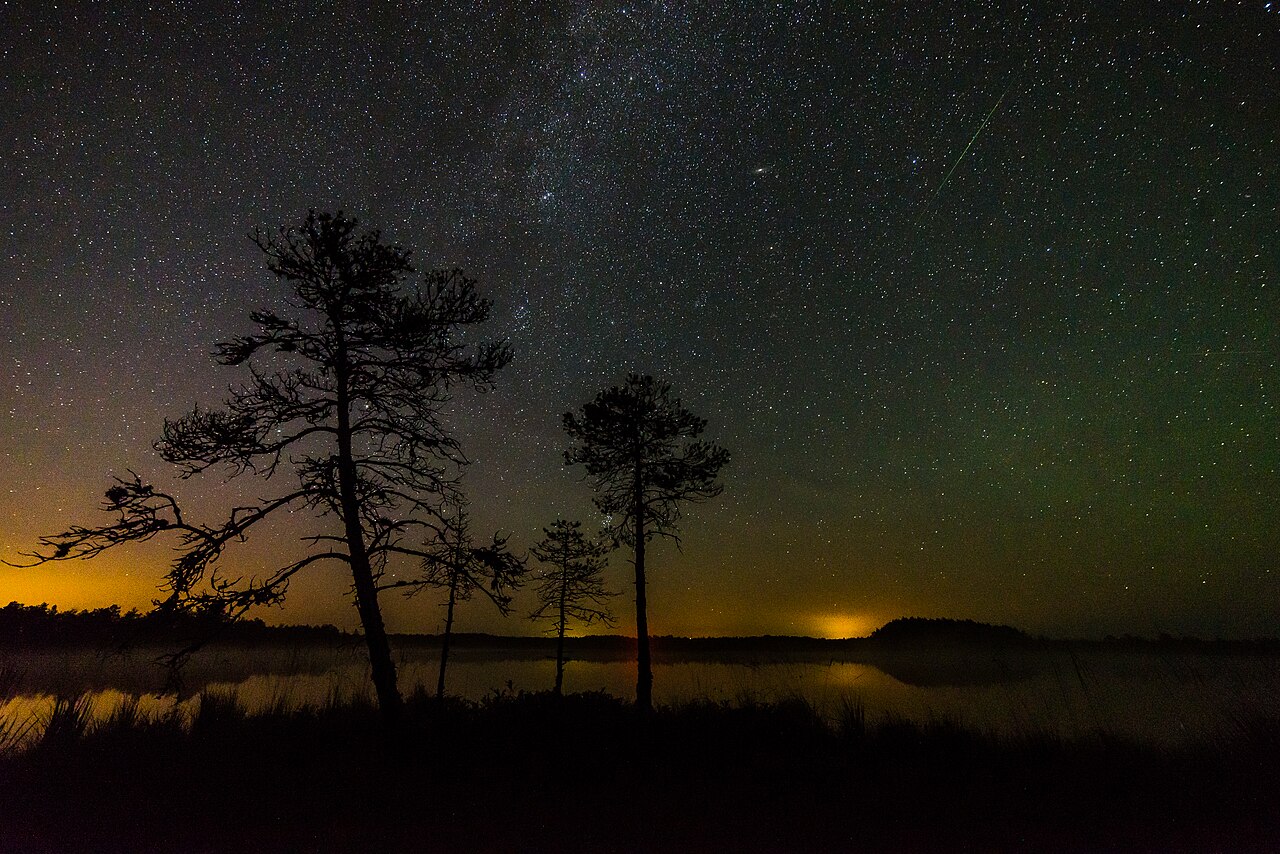
The Perseid meteor shower runs from July 17 to August 24, 2026, with the peak occurring overnight on August 12-13. For skygazers in California and across the northern hemisphere, this year's display benefits from a new Moon, which means darker skies and better visibility where weather cooperates.
The shower happens when Earth passes through debris left by Comet 109P/Swift-Tuttle. Tiny particles — roughly the size of a grain of sand — vaporize in the atmosphere, creating streaks of light. The Perseids are known as one of the brightest, fastest, and most active meteor showers of the year, with up to 150 meteors per hour possible during the peak. The shower is also famous for its bright 'fireball' meteors.
The best viewing window is between midnight and one hour before sunrise. In California, that means setting an alarm for the early morning hours of August 13. The radiant — the point in the sky where meteors appear to originate — is in the constellation Perseus, which rises in the northeast after midnight. Look toward that general direction for the best show.
No binoculars or telescopes are needed. The key is to find a dark location with a wide, unobstructed view of the sky. Give your eyes up to 15 minutes to adapt to the lower light. Avoid looking at your phone or any other bright light source during that time.
Light pollution is the biggest enemy of meteor watching. For the best experience, choose a location away from city lights with an unobstructed view of the sky. Check local cloud cover forecasts before heading out, as marine layer or wildfire smoke can obscure the view. The research brief does not provide specific California viewing locations, so we recommend consulting local astronomy clubs or dark-sky maps for site suggestions.
The 2026 peak coincides with a new Moon, meaning the sky will be as dark as it gets all month. That is a significant advantage over years when the Moon is full or nearly full, washing out fainter meteors. With clear skies, observers could see a meteor every minute or two during the peak hours.
The Perseids are also known for producing fireballs — exceptionally bright meteors that can outshine Venus. These are caused by larger debris particles entering the atmosphere at high speed. Fireballs can appear anywhere in the sky, not just near the radiant, so keep your gaze wide.
The Perseids are a reliable annual event, and 2026 offers near-perfect lunar conditions. Whether you are a seasoned observer or a first-timer, the show is worth the effort. Mark your calendar for the night of August 12-13, find a dark spot, and look up.
Continue exploring trending topics.

The August 12, 2026 total solar eclipse crossed Europe with prime views in Spain, Iceland, and Greenland. Learn how to view safely and what's next.
